






Beyond Pornhub: How Adult Video Discovery Is Changing in 2026


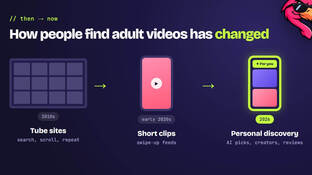




For more than a decade, traditional adult tube websites have dominated how people discover and watch online adult entertainment. Platforms such as Pornhub, XVideos and XHamster popularised a familiar browsing experience built around searchable video libraries, thumbnail grids, categories and popularity rankings.
That model remains an important part of the adult internet, but the way audiences discover video content is changing. Across the wider entertainment industry, short-form feeds, personalised recommendations and creator-focused platforms have introduced new ways to find videos without necessarily searching for something specific.
Adult entertainment websites are beginning to reflect these broader changes. Rather than relying entirely on traditional search results and category pages, some platforms now offer vertical video feeds, swipe-based navigation and tools for following individual creators.
For example, a growing number of TikTok-style porn sites use short clips and continuous scrolling to introduce viewers to new content. Platforms such as FikFap, RedGIFs and Pornhub Shorties illustrate how the familiar adult video experience is being adapted for mobile-first discovery.
These developments don't necessarily mean traditional tube websites are disappearing. Instead, they suggest that adult video discovery is becoming more varied, combining established browsing methods with newer approaches influenced by social media and the creator economy.
The Traditional Tube Website Model
Adult tube websites became popular partly because they made large collections of videos accessible through relatively straightforward interfaces.
Visitors could browse categories, search for particular performers, explore recently uploaded content or select videos from popularity rankings.
The experience was familiar to anyone who had used mainstream video-sharing websites.
Rather than purchasing individual downloads or subscribing to numerous separate websites, viewers could access extensive libraries of free, advertising-supported material.
This helped establish the tube model as a major format for distributing online adult entertainment.
Why Search and Categories Worked So Well
Traditional browsing systems are particularly useful when viewers already know what they want to find.
Someone searching for a particular performer, studio or video category can enter a keyword and immediately explore matching results.
Categories also make it possible to discover related material without relying on personalised recommendations.
These features remain valuable, especially on websites with large archives and extensive collections of older content.
However, search-based browsing has a limitation: it usually requires the visitor to make an active decision about what to look for.
Newer discovery systems approach that problem differently.
From Searching for Videos to Discovering Them
One of the most important developments in digital entertainment is the shift from search-driven browsing towards recommendation-driven discovery.
On a traditional video website, visitors might enter a search term, open a category or select a thumbnail from a grid.
On a recommendation-based platform, the next piece of content may appear automatically based on previous viewing behaviour.
This changes the role of the user.
Instead of repeatedly deciding which category to explore, the viewer can respond to a continuous sequence of suggested videos.
How Personalised Recommendations Work
Mainstream video platforms provide a useful example of this technology.
According to YouTube's official explanation of its recommendation system, recommendations can be influenced by viewing history, searches, subscriptions, likes, dislikes and other signals.
YouTube also uses different recommendation surfaces, including its homepage, suggested videos and the Shorts feed.
The exact recommendation systems used by individual adult websites are not necessarily the same.
Nevertheless, the broader concept demonstrates how video platforms can help audiences discover material without requiring an entirely new search for every viewing session.
The Influence of TikTok and Vertical Video
TikTok helped popularise a browsing format built around short, vertically oriented videos that occupy most of a smartphone screen.
Instead of opening individual videos from a traditional results page, users swipe to move between clips.
The format reduces the number of steps needed to discover something new.
Instagram Reels and YouTube Shorts later brought similar interfaces to their own audiences, reinforcing vertical video as a familiar part of mobile entertainment.
Adult-oriented platforms have experimented with comparable designs, although the content policies and audiences involved are very different.
Why Short Clips Fit Mobile Browsing
Vertical videos are designed to work naturally on smartphones without requiring viewers to rotate their devices.
They also allow several clips to be explored within a relatively short browsing session.
For publishers, the format offers a way to introduce users to videos and creators through brief previews.
For viewers, the attraction is convenience: discovering new material can require little more than swiping to the next clip.
However, continuous feeds can also encourage extended browsing, and users may have less direct control over recommendations than with traditional search and category systems.
How Major Adult Platforms Are Responding
Short-form discovery is no longer limited to small experimental websites.
Established adult brands have also begun incorporating features associated with mobile video feeds.
Pornhub Shorties
Pornhub Shorties represents an attempt to bring vertical video browsing into an established adult tube platform.
Rather than replacing Pornhub's traditional video library, the feature provides an additional format for exploring short clips.
It includes features associated with creator discovery, allowing viewers to encounter short videos and explore related content.
This demonstrates how existing tube websites can adopt newer interfaces while maintaining their established search and category systems.
FikFap and Swipe-Based Discovery
FikFap takes a more focused approach to short-form adult entertainment.
Its experience revolves around vertical videos presented through a continuous swipe-based feed.
Instead of beginning with a large traditional video library, viewers interact with clips one at a time.
This makes it an example of a website designed primarily around the newer discovery format rather than an established tube site adding short-form features.
RedGIFs and Clip Sharing
RedGIFs occupies a different position in the online video ecosystem.
The platform is known for hosting short adult clips that can be shared and embedded across other websites and online communities.
Its role illustrates how adult video discovery can extend beyond a single website.
A viewer might encounter a clip through a discussion forum, social community or external link before visiting the hosting platform itself.
This creates a different discovery journey from searching directly within a conventional tube website.
Why Smartphones Are Driving the Change
Mobile technology has transformed how people consume almost every form of digital entertainment.
Large desktop monitors are no longer the only environment designers need to consider.
Websites must now accommodate smaller screens, touch navigation and browsing sessions that may take place throughout the day.
The UK's communications regulator, Ofcom, examined these broader changes in its Online Nation 2025 report.
Its research found that UK adults spent an average of approximately four and a half hours online each day, with most of their online time occurring on smartphones.
These statistics cover overall internet use, not adult video viewing specifically.
However, they help explain why mobile-friendly navigation has become an important design priority across the digital entertainment industry.
Designing for Touch Rather Than a Mouse
Traditional video grids work well on desktop computers, where visitors can scan numerous thumbnails and navigate using a mouse.
On smartphones, those same interfaces can feel crowded.
Vertical feeds reduce the amount of information competing for attention by presenting one primary clip at a time.
Large touch targets and swipe gestures can make navigation more straightforward.
At the same time, some users still prefer the control provided by conventional search results, particularly when looking for specific videos.
Creators Are Becoming Part of the Discovery Experience
Another significant change involves the growing importance of individual performers and independent creators.
Traditional tube websites often organise videos around categories, studios and titles.
Creator-focused platforms place more emphasis on the individuals producing content.
Viewers may follow particular creators, explore their public previews or visit separate subscription pages.
This shifts some attention away from individual videos and towards ongoing relationships between audiences and creators.
Short Videos as Discovery Tools
Short clips can function as previews for longer videos or broader creator libraries.
A creator might publish free promotional material that introduces their work to people who would not otherwise encounter their profile.
Interested viewers can then explore additional content through the available links or platform features.
For independent creators, this can provide another route to audience discovery.
However, visibility is not guaranteed. Recommendation systems may favour certain types of content, and creators can become dependent on platforms they do not control.
The Relationship Between Free Videos and Paid Content
The adult industry has long operated with a mixture of free and premium content.
Tube websites commonly earn revenue from advertising, while subscription platforms charge for access to particular creators or collections.
Short-form discovery can connect these two models.
A free clip may introduce a viewer to a performer whose longer content is available through a separate paid service.
Some platforms combine free viewing with optional purchases, while others focus primarily on promoting creators.
This allows discovery and monetisation to occur through different parts of the same online ecosystem.
Why Viewers Still Choose Traditional Tube Sites
Despite these developments, conventional video libraries retain several advantages.
They can offer extensive archives, detailed category systems and familiar search tools.
Visitors who want to find specific material may prefer this approach to scrolling through automatically suggested clips.
Traditional tubes also support longer videos in a way that short-form feeds are not necessarily designed to replace.
The two formats therefore serve different browsing preferences.
What About Privacy and Personalisation?
Personalised recommendations can make browsing more convenient, but they also introduce privacy considerations.
Recommendation systems may use information about viewing behaviour, searches or interactions to determine what appears next.
On adult websites, such information can be particularly sensitive.
Users may not want their viewing interests associated with identifiable accounts or retained longer than necessary.
Platforms should therefore explain how personal information is collected and used, including whether browsing activity influences recommendations.
Visitors can also review available privacy settings and consider whether an account is necessary for the features they want to use.
Content Authenticity Is Becoming More Important
As adult video sharing becomes more widespread, questions about the origin and authorisation of uploaded content are becoming increasingly important.
Short clips can circulate quickly between websites, sometimes losing information about their original creator.
This can create problems involving unauthorised redistribution, impersonation and misleading attribution.
The increasing availability of AI-generated imagery also raises concerns about synthetic content depicting real people without permission.
Responsible platforms need effective procedures for verifying uploaders where appropriate, handling removal requests and addressing potentially non-consensual content.
Why Verification Matters
A website displaying a large number of videos does not necessarily establish that every upload is authorised.
Platforms may use different procedures for checking contributors and reviewing material.
These systems should be explained clearly rather than treated as guarantees that misuse can never occur.
For viewers, understanding where material comes from is an increasingly important part of evaluating unfamiliar video websites.
Will AI Change Adult Video Discovery?
Artificial intelligence may influence how video platforms organise and present their libraries.
AI-assisted tools can help categorise content, generate descriptions, improve search relevance and identify duplicate uploads.
More sophisticated recommendation systems may also provide increasingly personalised viewing experiences.
However, these capabilities create new responsibilities.
Automated classification can make mistakes, while AI-generated descriptions may misrepresent content if they are not checked.
Platforms also need to distinguish between improving discovery and collecting excessive information about individual viewers.
Another challenge involves synthetic media. As generated images and videos become more convincing, clear labelling and consent-related safeguards will become more important.
The role of AI in adult entertainment is still evolving, and different platforms are likely to adopt these technologies at different rates.
What Could Adult Video Websites Look Like in the Future?
Rather than one format replacing all others, the future of adult video discovery may involve several approaches operating alongside one another.
Traditional tubes can continue offering extensive searchable libraries.
Short-form platforms can emphasise quick discovery and mobile browsing.
Creator-focused services can connect viewers with individual performers and paid content.
Social communities and clip-sharing websites can introduce material through recommendations and discussions.
The most flexible platforms may combine several of these experiences, allowing visitors to choose how they want to browse.
More Choice, but Also More Responsibility
Greater variety can make adult entertainment easier to discover, but it also creates challenges for users and website operators.
Viewers need to understand differences in pricing, privacy policies, content sources and account requirements.
Publishers need to consider moderation, age restrictions, consent, security and the accuracy of recommendations.
As the industry evolves, trust and transparency may become just as important as the size of a website's video collection.
Beyond the Traditional Video Grid
Pornhub and other established tube websites helped define an era of online adult entertainment built around searchable libraries and category-based browsing.
That approach remains useful, but it is no longer the only way audiences discover videos.
Short-form feeds, personalised recommendations, creator profiles and external clip-sharing communities are creating additional paths between viewers and content.
The influence of mainstream social video platforms is visible in these changes, particularly through mobile-first interfaces and continuous browsing.
Yet traditional video search still offers something recommendation feeds cannot always provide: direct control over what to look for.
For that reason, the next stage of adult entertainment is unlikely to involve abandoning conventional tube websites altogether.
Instead, audiences may increasingly move between formats depending on whether they want to search for something specific, discover unfamiliar creators or explore short clips.
In 2026, the biggest change isn't simply that adult videos are getting shorter. It's that discovering what to watch is becoming an experience of its own.








You must be logged in to post wall comments. Please Login or Signup (free).